Private healthcare from an NHS Trust

Private Robotic Prostatectomy In The South West

Reduce discomfort, recover faster, and get personalised care with cutting-edge robotic surgery

Fixed-Price Package

Private robotic prostatectomy at Royal Devon Private Healthcare combines NHS clinical standards with enhanced access and personalised support, all delivered on our NHS hospital sites. Your package includes:

Our private service offers:

  • Initial consultation and review of diagnostics
  • Diagnostics (as required): blood tests, imaging and reporting
  • Procedure: anaesthetics/sedation and recovery
  • Follow up appointment


Indicative price

£ Available on enquiry

Book your private consultation for robotic prostatectomy and gain fast access to expert prostate cancer care in Devon.

At Royal Devon Private Healthcare, we offer personalised treatment plans, shorter waiting times, and follow-up tailored to you, all within a trusted NHS hospital environment.

Robotic prostatectomy is a precise, minimally invasive keyhole surgery to remove the prostate gland. Private robotic surgery can reduce post-operative discomfort, minimise scarring, and help you return to your usual daily activities sooner, while benefiting from advanced surgical technology and specialist care close to home.

Our private service offers:

  • Highly trained and experienced NHS medical teams
  • Reduced waiting times
  • Newly equipped NHS hospital
  • All profits reinvested into NHS facilities and patient care


Consultation:

Within 7-10 days*

To procedure:

Typically 2-6 weeks*

Self-pay package

Fixed-price package

Private robotic prostatectomy at Royal Devon Private Healthcare combines NHS clinical standards with enhanced access and personalised support, all delivered on our NHS hospital sites. Your package includes:

Our private service offers:

  • Initial consultation and review of diagnostics
  • Diagnostics (as required): blood tests, imaging and reporting
  • Procedure: anaesthetics/sedation and recovery
  • Follow up appointment


Indicative price

£ Available on enquiry

icon:Facilities
NHS Facilities & Procedures
icon:clinitions
NHS Clinicians
icon:waiting list
Reduced Waiting Times
icon:convenient care
Convenient Care
icon:reinvestment
Reinvestment in the NHS

Pricing Breakdown Illustration

What's included

One-to-one consultation

You’ll meet with one of our experienced consultant surgeons who will explain the robotic prostatectomy procedure, answer your questions, and confirm a personalised treatment plan.

Procedure scheduling

Once your treatment plan is agreed, our team will arrange your procedure at a convenient time.


Pre-operative appointment

Before surgery, you’ll attend a pre-operative assessment where your medical history will be reviewed, and you may have tests such as blood work and ultrasound scans.

Procedure

Robotic prostatectomy is performed under general anaesthetic and typically takes 2–3 hours. Most people stay in hospital for one night.

Follow-up

A Follow-up appointment will help monitor healing, PSA levels, and discuss any concerns.

Your Robotic Prostatectomy Pathway

1.Referral

2. One-to-one consultation

3. Pre-operative appointment

4. Procedure

5. Follow-up

Meet Our Robotic Prostatectomy Specialists

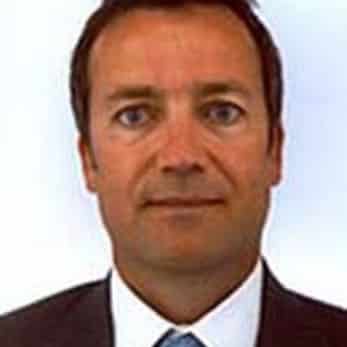
Miles Goldstraw

Consultant Urological Surgeon

MBBS, BSc, MD FRCS(Urol)

Robotic Prostatectomy FAQs

What is Robotic Prostatectomy?

A robotic prostatectomy is an operation to remove the prostate gland, most often used to treat prostate cancer. The procedure is carried out using a robotic system that is fully controlled by your surgeon. This technology allows the operation to be performed through a few small cuts in the tummy rather than one large cut. As a result, the surgery is more precise, with less pain, smaller scars, and a faster recovery compared to traditional open surgery.


If you have been diagnosed with prostate cancer, a robotic prostatectomy may be recommended as a treatment option. It is most often advised when the cancer is localised, which means it is still contained within the prostate and has not spread. Your consultant will guide you through your results and overall health to decide if this is the right approach.

If you are seeking private treatment, you do not always need a GP referral to see a consultant about robotic prostatectomy. Many patients choose to self-refer, which can speed up the process. However, if you already have test results or a diagnosis from your GP or NHS specialist, bringing this information can be very helpful.

Before your robotic prostatectomy, your consultant will explain the steps to help you prepare safely. You may need blood tests, a urine test, or scans in advance. If you take regular medication, especially blood thinners or diabetes tablets, you will be given advice on what to do. You’ll usually be asked not to eat or drink for several hours before surgery. It can also be helpful to plan for a little extra support at home, as you may feel tired and need time to recover in the first few days.

During a robotic prostatectomy, you will be given a general anaesthetic so you are asleep and feel no pain. The surgeon makes a few small cuts in your tummy and uses a robotic system, which they fully control from a console, to remove the prostate gland with great precision. The robotic instruments allow delicate movements that help protect surrounding nerves and tissues. The operation usually takes a few hours, and most patients are up and moving the same day.

Yes, most patients will have a urinary catheter in place for a short period after surgery, usually between 7–14 days. The catheter helps your bladder drain while your surgical site heals. It is usually removed during a follow-up appointment, sometimes with a Trial Without Catheter (TWOC) to ensure your bladder is functioning properly. Your consultant will give clear instructions on caring for the catheter and what to expect.

Yes, most patients stay in hospital for one night after robotic prostatectomy. This allows your care team to monitor your recovery, manage any discomfort, and make sure you are able to eat, drink, and move safely. In some cases, you may need a longer stay, but your consultant will let you know what to expect based on your individual health and the details of your surgery.

View treatment and conditions

Check pricing and funding