Private Cataract Surgery In The South West
See clearly again, allowing you to enjoy the lifestyle you love
Fixed-Price Package
Cataract surgery at Royal Devon Private Healthcare combines our most trusted and experienced surgeons, NHS clinical standards with enhanced access and personalised support, all delivered on our NHS hospital sites.
- Pre-operative assessment and routine diagnostics
- Personalised treatment plan
- Day surgery with local anaesthetic (no overnight stay required)
- Care plan and recovery advice
- Follow-ups (1-2 follow up appointments provided with the package within the first 6 weeks)
£Available on enquiry
Our expert ophthalmologists use advanced techniques for fast recovery and lasting results, so you can enjoy sharper vision with complete peace of mind. Unlike NHS cataract surgery, private treatment offers a choice of lenses, giving you the freedom to correct your vision and address issues like astigmatism. This could mean no longer needing to wear glasses.
Private cataract surgery at Royal Devon Private Healthcare delivers NHS-level clinical expertise with shorter waiting times and faster access to our skilled consultant ophthalmologists in a trusted hospital setting.
- Highly trained and experienced NHS medical teams
- Access to premium lenses not otherwise available in NHS care
- Choose your experienced surgeon
- Reduced waiting times
- Newly equipped NHS hospital
- All profits reinvested into NHS facilities and patient care
Consultation:
Within 7-10 days*
To surgery:
Typically 2-6 weeks*
Location
Fixed-price package
Cataract surgery at Royal Devon Private Healthcare combines our most trusted and experienced surgeons, NHS clinical standards with enhanced access and personalised support, all delivered on our NHS hospital sites.
- Pre-operative assessment and routine diagnostics
- Personalised treatment plan
- Day surgery with local anaesthetic (no overnight stay required)
- Care plan and recovery advice
- Follow-ups (1-2 follow up appointments provided with the package within the first 6 weeks)
£Available on enquiry


Pricing Breakdown Illustration
What's included
One-to-one consultation
You’ll meet with our experienced optometry and ophthalmology team to review your vision, and discuss treatment options. During your consultation we will explain the cataract surgery, go through any test results, confirm your diagnosis, and recommend the most suitable lens option for your condition and vision goals.
Surgery scheduling
Once your cataract treatment plan is confirmed, our team will schedule your surgery at a convenient time. We aim to reduce waiting times while maintaining NHS-level standards of care, ensuring you can access private cataract surgery quickly and safely.
Pre-assessment
Before your procedure, you’ll attend a pre-operative assessment to review your medical history and undergo necessary tests.
Surgery
Cataract surgery is usually carried out under local anaesthetic. This means you’ll be awake during the procedure but won’t feel any pain. You may see movement and changes in light but you won’t see any detail. Our experienced team, led by your consultant carries out every step with precision, for a safe procedure and a quick recovery.
Recovery and follow-up
After your surgery, you’ll have a personalised recovery plan with a follow up appointment to suit your needs.
Cataract surgery is one of the most common surgeries to have, and benefits from a very high success rate. Most people will see improvements to their vision within a few days, with full recovery taking 4-6 weeks.
Once your ophthalmologist is satisfied that your vision is restored, you will be discharged back to the care of your normal optometrist for your routine sight tests. Should there be any future concerns we would be more than happy to see you again.

Your Cataract Surgery Pathway
1. Referral
2. One-to-one consultation
3. Pre-operative assessment
4. Cataract surgery
5. Initial recovery
6. Follow-up
Meet Our Cataract Surgery Specialists

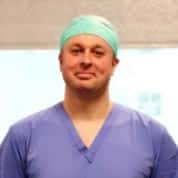

Consultant Ophthalmologist – Cataract and Corneal Surgery
MBChB, MSc, PGCertMedEd, MD(Res), FRCOphth, CertLRS
Cataract Surgery FAQs
What is a cataract?
A cataract forms inside the lens of your eye and prevents you from seeing clearly. A cataract makes your lens cloudy. This impacts your vision by not being able to focus and making things appear blurry.
There are several different types of cataracts which can form. Depending on the type will depend on how quickly vision impairment progresses. It can take many years before someone would go blind.
How do I know if I need cataract surgery?
If your eyesight is blurred, cloudy, or you struggle with glare from lights, you may have cataracts. An eye examination will confirm if surgery is needed.
Do I need a GP or optician referral for private cataract surgery?
No. Most people won’t need a GP or optician referral for private cataract surgery.
Can I correct my sight during cataract surgery?
Yes. We will discuss lens options and our recommendation for you at your appointment. Choices will depend if you are long or near sighted, play sports or have an astigmatism (a curve on your cornea or your lens). Options may include standard lenses or premium lenses that can reduce the need for glasses.
What tests are done before cataract surgery?
Before cataract surgery, you’ll attend a pre-operative assessment with our experienced team. Pre operative assessment includes biometric measurements of your eye to predict the best lens for your eye and OCT scans.
What happens during cataract surgery?
Cataract surgery is usually carried out under local anaesthetic, which means you will be awake but comfortable. The procedure typically takes less than 10 minutes, during which your lens is removed and replaced with a new one. Most people are able to go home the same day.
What aftercare do I need to follow after cataract surgery?
We’ll provide you with the medication and information you need post cataract surgery. This will include eye drops to use, typically four times a day for four weeks after surgery.
There are a few things that you must avoid after surgery, including waiting 48 hours before showing or bathing, not getting the eye directly wet for 2 weeks. All these things minimise the risk of post operative infections.
At our follow-up appointments we will check your progress and vision to make sure you stay on track.
How long before I recover after cataract surgery?
Most people recover quickly after cataract surgery. Your vision may take a few days to settle and you should expect a full recovery within a few weeks.
You will be able to gradually return to normal activities including driving very quickly after cataract surgery.
How long before I can drive after cataract surgery?
You must be able to meet the DVLA standards, which is reading a number plate from a distance of 20 meters before you can drive. Generally, it can take a few days before your vision has settled for you to be able to drive but this depends on the status of the other eye and any other eye conditions you have.
Can I have cataract surgery for both eyes at the same time?
Yes! Many patients have cataracts in both eyes, and while one eye may be worse than the other, both often benefit from treatment. We proudly offer patients the option of treating both eyes on the same day – known as Immediate Sequential Bilateral Cataract Surgery (ISBCS) – or alternatively treating each eye on separate visits. You may wish to think about your preference ahead of your appointment.
When same-day bilateral surgery is planned, the eye with worse vision is usually treated first. Each procedure is performed completely separately, with fresh instruments and equipment used for the second eye. The surgeon re-scrubs between eyes.
After completing the first eye, the surgeon will check that you are happy to proceed with the second. If there are any concerns with the first procedure, the second eye can be deferred.
Following surgery, you will be able to see but your vision may initially be foggy or overly bright. This usually improves within 24 hours.